 Photo by
The problem: forecasts are exciting when they are made and forgotten when their date arrives, so we never learn which methods and people were reliable.
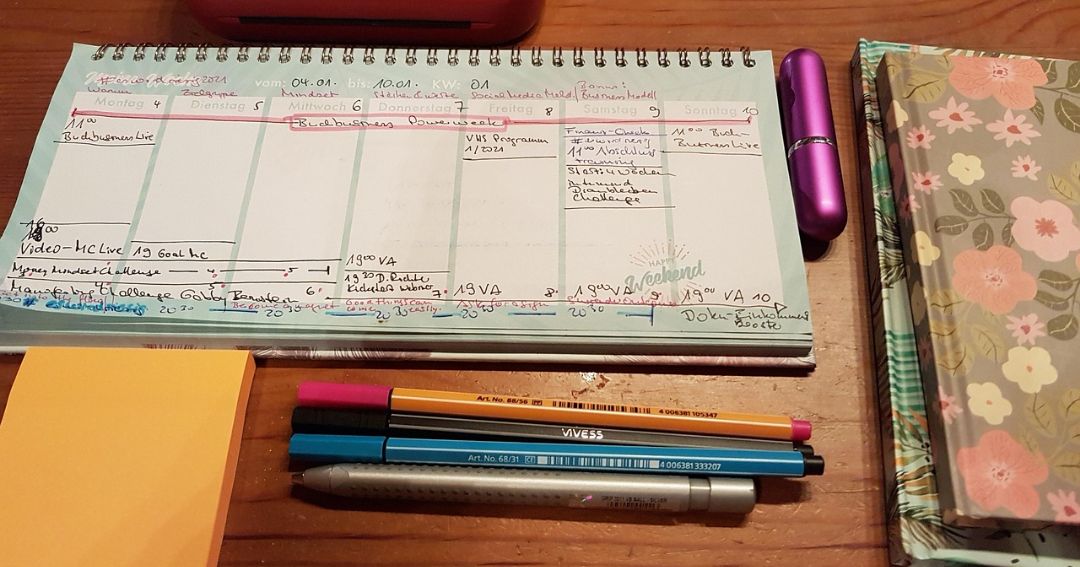
The proposal: a public calendar listing notable predictions whose resolution dates fall in the coming month, with a short, neutral summary of each, and a place to record the result. Each entry links to the original forecast and to the evidence used to resolve it. Over time, it builds a record that shows how often predictions in different fields come true.
Who acts: a library, a university or a civic-tech group hosts it; contributors submit predictions with a clear resolution rule; a small panel resolves disputes.
Costs and trade-offs: it needs volunteers and clear rules. The main risks are disputes about interpretation and selective reporting, so the rules for resolving a prediction should be fixed when it is added.
First step: start with a hundred predictions from the last decade whose dates have passed, and resolve them in public. It applies the methods of futures studies to everyday claims.
Discussion
No replies yet. Start a thoughtful conversation.
Reply, save or report